
Starting in January, the Pennsylvania Turnpike will cease operating traditional toll booths along the entire I-76 corridor. The agency has already completed the first phase on the eastern segment and now moves to the central and western sections, completing a two-year, staged conversion to Open Road Tolling. The shift follows a pilot period that began roughly two years ago and is designed to let motorists travel at highway speeds while the system records entry, exit and vehicle class automatically.
According to Turnpike Commission CEO Mark Compton, the rollout will take place in stages and “It’s to be a two-year process, and it’ll happen in stages, so we ask for patience.” He added that the new arrangement will alter how drivers approach, enter and exit the Turnpike, removing the need to stop at toll plazas.
Implementation timeline and underlying technology
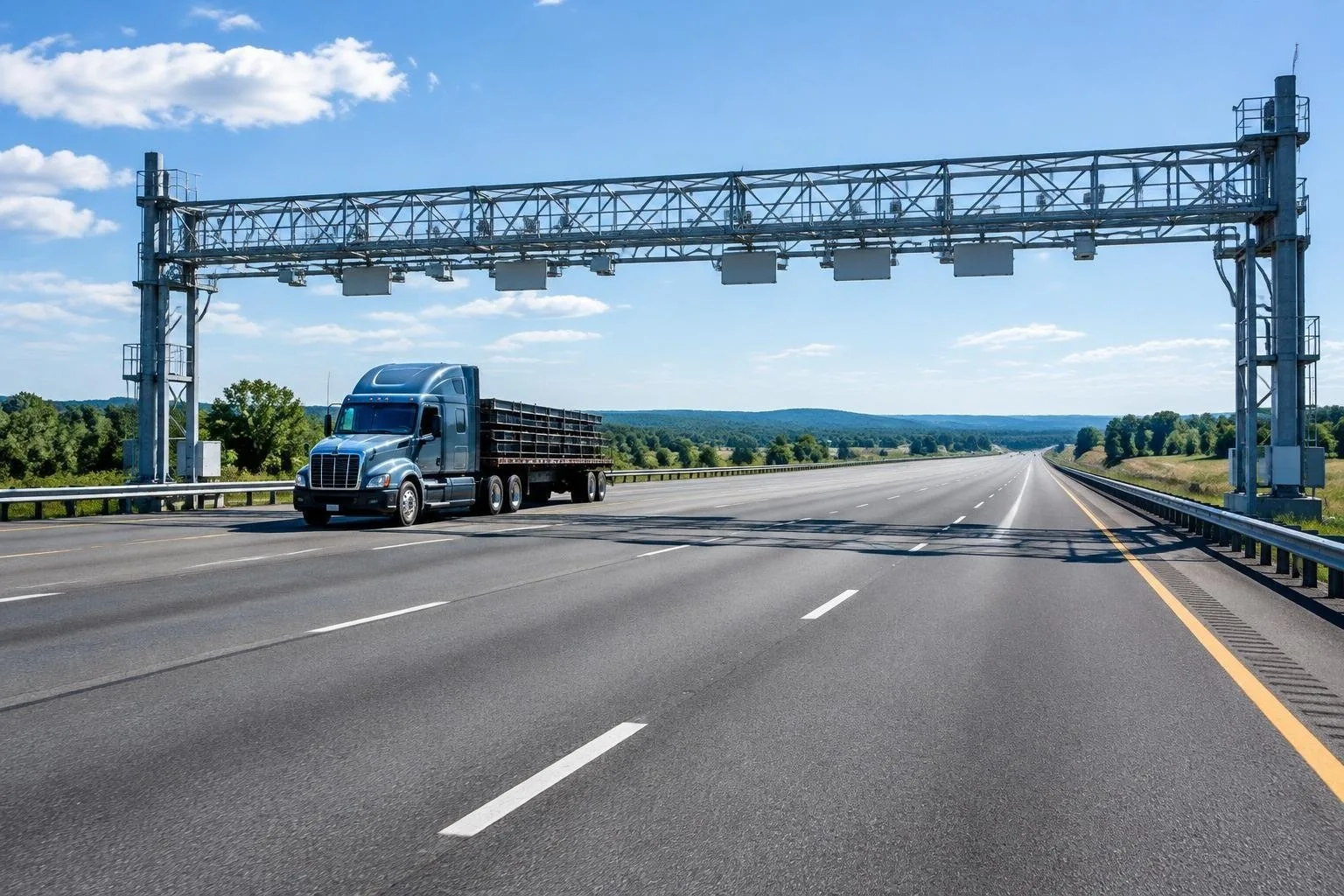
All-electronic tolling relies on a series of overhead structures, often called gantries, equipped with cameras, radar and pavement-embedded sensors. These devices identify a vehicle’s height, axle count and class, then read an E-ZPass transponder if present, or capture a high-resolution image of the license plate for the “Toll By Plate” process. Drivers without an E-ZPass receive a mailed invoice based on the photographed plate.
Compton explained that the sensors have been proven to operate accurately at highway speeds during the eastern-state trial. He urged drivers who already use E-ZPass to keep the transponder affixed to the windshield and ensure the vehicle’s registration details match the transponder data, so the system can cross-verify the plate if the radio signal is missed.
How the gantries function
The overhead units emit a radio field that interrogates any transponder within range. Simultaneously, a set of pavement-embedded loops detects wheel count and vehicle height, allowing the system to classify cars, trucks and buses. If no transponder response is detected, an optical character recognition module photographs the plate and links it to the driver’s account, or generates a bill for the registered owner. This dual-capture method eliminates stop-and-go traffic that previously formed around toll booths.
Safety gains and environmental benefits
Early data from the newly equipped interchanges show a substantial decline in accidents. Non-work-zone crashes fell by nearly 41 % compared with the three-year average that preceded the conversion, mirroring results from earlier pilot sites. Press Secretary Marissa Orbanek highlighted that “There has been a reduction in rear-end and sideswipe crashes at those interchanges, so it’s a safer form of travel.” The reduced queuing and smoother flow also diminish driver frustration, contributing to the overall safety improvement.
Environmental analysis indicates that eliminating the stop-and-go pattern cut system-wide carbon output by up to 45 %. The Turnpike plans to remove the remaining booth structures and replace them with native grass and pollinator gardens, a move projected to shave an additional 7 % of CO₂ emissions by 2030. These steps align with the agency’s “strategic drive to be a better neighbor,” as Compton phrased it.
Financial impact and future projects
The transition required significant capital outlays. Contracts for the gantry equipment in the central and western sections total $233 million, while statewide technology contracts reached about $225 million. Despite the upfront cost, the Commission anticipates annual savings of roughly $25 million in maintenance and construction, thanks to the lower upkeep of electronic infrastructure versus physical booths.
Cashless collection also addresses revenue gaps identified last year, when more than $104 million in tolls went uncollected after the agency first moved to an all-electronic system. Records indicate that motorists without an E-ZPass have “nearly a 1 in 2 chance” of traveling without paying under the license-plate-reader model. By improving detection accuracy and simplifying billing, the Turnpike expects to close that gap over the next few years.
Compton summed up the outlook: “This transition, as we estimate, is a long-term play and a long-term investment for the PA Turnpike.” With the new interchanges cheaper to construct and possessing a reduced environmental footprint, additional communities may gain access to the Turnpike in future phases.